Modern architecture increasingly focuses on energy efficiency, indoor comfort, and sustainable materials. One innovation that has transformed window technology is thermal breaks windows design. These advanced window systems help reduce heat transfer, improve insulation, and enhance overall building performance.
Get best price of any type of windows at Thermal break windows.
What Is Thermal Break Windows Design?
Thermal break windows design refers to a window system that includes a non-conductive material placed between the interior and exterior sections of the frame. This material, usually made of polyamide or polyurethane, interrupts the flow of heat through the frame.
Traditional aluminum windows conduct heat easily because metal transfers temperature quickly. Thermal break technology solves this problem by creating an insulating barrier inside the frame.
Key Components of Thermal Break Windows
A typical thermal break window system includes:
-
Aluminum frame sections
-
Insulating thermal barrier (polyamide strip)
-
Double or triple glazing
-
Weather seals and gaskets
These components work together to improve insulation and prevent temperature transfer between indoors and outdoors.
How Thermal Break Windows Work
Thermal break technology works by separating the inner and outer metal frames with an insulating material. This barrier slows down heat conduction.
In winter:
-
Heat stays inside the building.
In summer:
-
Outside heat is prevented from entering.
This design significantly improves the thermal performance of windows, making them far more energy efficient than traditional aluminum windows.
Benefits of Thermal Break Windows Design
1. Improved Energy Efficiency
Thermal break windows help reduce heating and cooling costs by minimizing heat transfer. Buildings stay warmer in winter and cooler in summer.
2. Better Indoor Comfort
These windows help maintain a stable indoor temperature, reducing drafts and cold spots near windows.
3. Reduced Condensation
Thermal break technology helps prevent condensation buildup on window frames, which can lead to mold or moisture damage.
4. Modern Aesthetic Appeal
Thermal break windows offer sleek aluminum frames and contemporary designs that suit modern architecture.
5. Noise Reduction
When combined with double or triple glazing, thermal break windows also provide excellent sound insulation, making them ideal for urban environments.
6. Environmental Sustainability
By reducing energy consumption, thermal break windows contribute to eco-friendly and sustainable building practices.
Types of Thermal Break Windows
There are several types of thermal break window designs used in residential and commercial buildings.
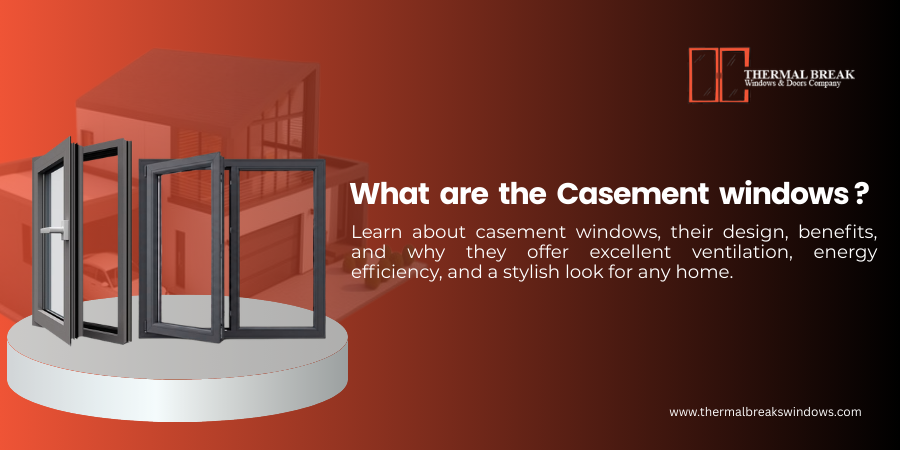
Casement Windows
Casement windows open outward and provide excellent ventilation and insulation performance.
Sliding Windows
Thermal break sliding windows are popular for modern homes because they offer large glass areas and smooth operation.
Tilt and Turn Windows
These versatile windows allow two opening positions for ventilation and easy cleaning.
Fixed Windows
Fixed thermal break windows do not open but provide maximum insulation and unobstructed views.
Thermal Break Windows vs Traditional Aluminum Windows
| Feature | Thermal Break Windows | Traditional Aluminum Windows |
|---|---|---|
| Heat Transfer | Very Low | High |
| Energy Efficiency | Excellent | Poor |
| Condensation | Minimal | Common |
| Indoor Comfort | High | Moderate |
| Cost | Higher initial cost | Lower upfront cost |
Although thermal break windows may cost more initially, they offer long-term savings through energy efficiency.
Where Thermal Breaks Windows Are Used
Thermal break windows are widely used in:
-
Residential homes
-
Commercial buildings
-
Office towers
-
Hotels and resorts
-
High-rise apartments
They are especially beneficial in regions with extreme weather conditions, where insulation is essential.
Factors to Consider Before Choosing Thermal Breaks Windows
When selecting thermal breaks windows systems, consider the following factors:
Frame Material Quality
High-quality aluminum frames ensure durability and strength.
Glazing Type
Double or triple glazing improves insulation and soundproofing.
Thermal Barrier Material
Polyamide thermal breaks provide better insulation than standard plastic barriers.
Professional Installation
Proper installation ensures maximum performance and energy efficiency.