Selecting the right glazing for a building facade is a critical decision that impacts not only the aesthetics of a structure but also its energy efficiency, comfort, safety, and long-term performance. With advancements in glass technology, architects and builders now have a wide range of glazing options to choose from. Understanding these options and their benefits can help you make an informed decision that aligns with your project goals.
Thermal breaks windows Providing best Windows and doors in all over Pakistan.
What is Glazing in Building Facades?
Glazing refers to the glass installed in windows, curtain walls, and other transparent or semi-transparent building elements. It plays a key role in controlling light, heat, ventilation, and sound while contributing to the visual appeal of the building.
Key Factors to Consider When Choosing Glazing
1. Energy Efficiency
Energy efficiency is one of the most important considerations. The right glazing can significantly reduce heating and cooling costs by minimizing heat transfer. Look for features such as:
- Low-emissivity (Low-E) coatings
- Double or triple glazing
- Insulated glass units (IGUs)
These technologies help maintain indoor temperatures and reduce reliance on HVAC systems.
2. Climate and Orientation
The local climate and the building’s orientation greatly influence glazing selection. For example:
- In hot climates, solar control glass can reduce heat gain.
- In colder regions, high-performance insulated glazing helps retain warmth.
- South- or west-facing facades may require glazing with higher shading coefficients.
3. Natural Light and Daylighting
Maximizing natural light improves occupant well-being and reduces the need for artificial lighting. However, too much sunlight can cause glare and overheating. Balanced glazing solutions such as tinted or reflective glass can optimize daylight without compromising comfort.
4. Aesthetic Appeal
Glazing contributes significantly to the visual identity of a building. Options include:
- Clear glass for transparency
- Tinted glass for color variation
- Reflective glass for a modern look
- Patterned or frosted glass for privacy
Choosing the right style enhances the architectural design while meeting functional needs.
5. Safety and Security
Safety glazing is essential, especially in high-rise buildings and public spaces. Consider:
- Tempered glass, which is stronger and shatters into small, less harmful pieces
- Laminated glass, which holds together when broken and provides added security
These options also offer resistance to impacts and extreme weather conditions.
6. Acoustic Performance
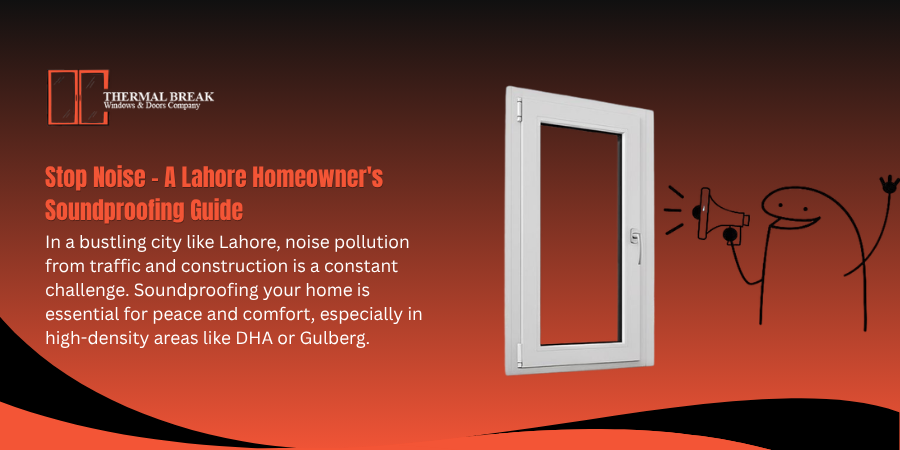
In urban environments, noise reduction is crucial. Acoustic glazing helps minimize external noise, creating a quieter indoor environment. Double or laminated glass with specialized interlayers can significantly improve sound insulation.
7. Maintenance and Durability
Different glazing types require varying levels of maintenance. Self-cleaning glass coatings can reduce upkeep, while high-quality materials ensure long-term durability against weathering and wear.
Types of Glazing Options
- Single Glazing: Basic option with minimal insulation; rarely used in modern construction.
- Double Glazing: Two glass panes with an air or gas-filled gap for improved insulation.
- Triple Glazing: Enhanced thermal performance, ideal for extreme climates.
- Low-E Glass: Reflects heat while allowing light to pass through.
- Solar Control Glass: Reduces heat gain and glare.
- Laminated Glass: Offers safety, security, and sound insulation.
Sustainability Considerations
Sustainable building design increasingly prioritizes eco-friendly glazing solutions. Energy efficient glass reduces carbon footprints and contributes to green building certifications. Incorporating recyclable materials and advanced coatings can further enhance sustainability.
Cost vs. Performance
While high-performance glazing may have a higher upfront cost, it often leads to long-term savings through reduced energy bills and maintenance costs. It’s important to balance budget constraints with performance requirements to achieve the best value.
Contact now and get free quotation for your windows and doors now