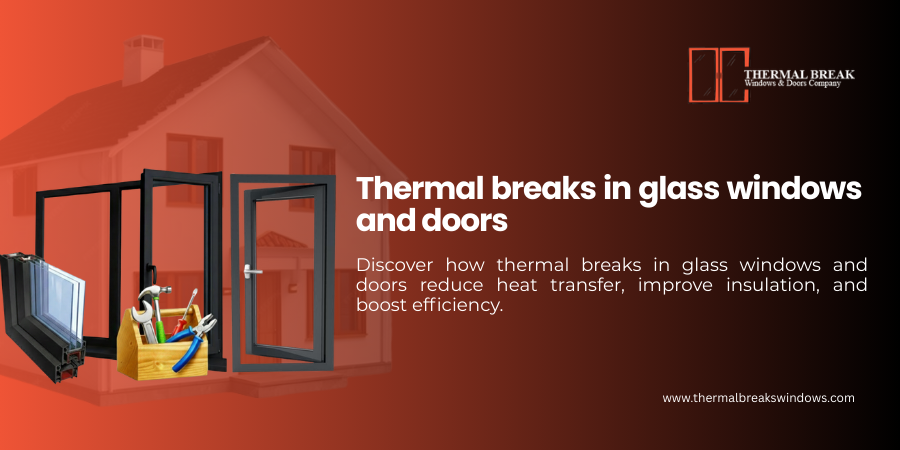
The current construction sector has placed great emphasis on energy saving and comfort. Thermal breaks in glass window and door are one of the most developed technologies that enhance the performance of a building. In case of residential buildings, commercial buildings, or a high rise project, thermal break technology will increase insulation, minimize energy spending, and provide more comfort to the indoors.
What Are Thermal Breaks in Glass Windows and Doors?
A thermal break is a thermal resistant material that is installed between the inner and the outer parts of an aluminum frame. The thermal break stops the possibility of heat passing through the frame since an aluminum is in itself a good conductor of heat.
In glass windows and doors, thermal breaks are commonly used in:
-
Aluminum sliding windows
-
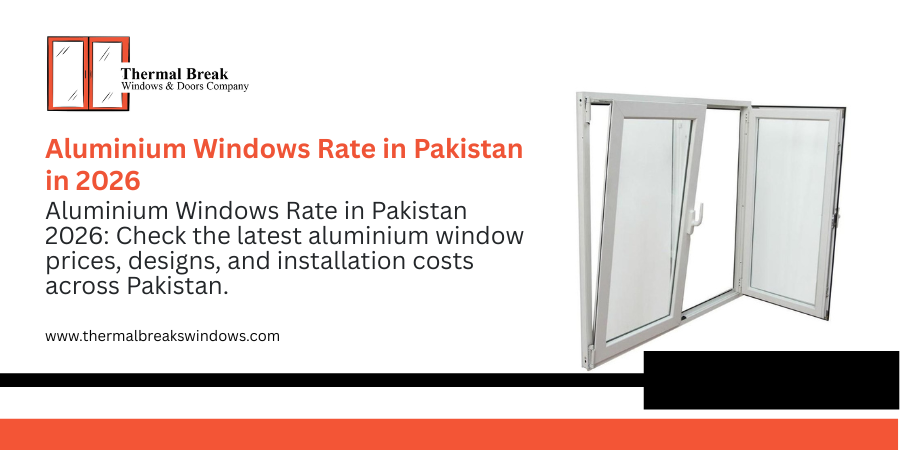
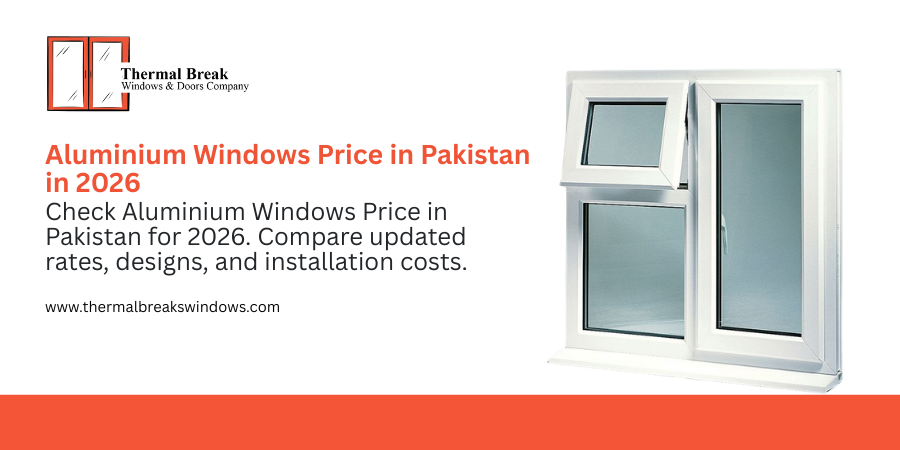
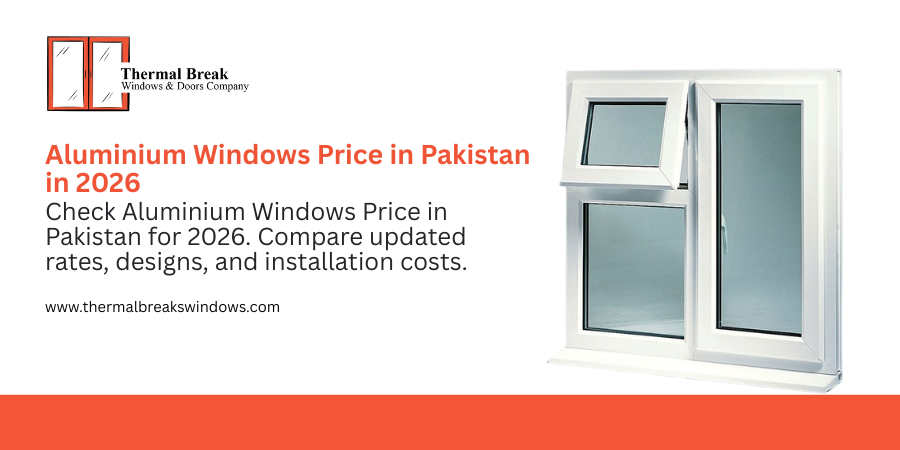
Casement windows
-
Folding doors
-
Sliding glass doors
-
Curtain wall systems
The insulating barrier is usually made of polyamide, which significantly reduces thermal conductivity.
How Thermal Break Technology Works
In standard aluminum windows and doors, heat easily passes through the metal frame. This causes:
-
Hot interiors in summer
-
Cold interiors in winter
-
Higher electricity bills
-
Condensation problems
With thermal break systems, the non-metallic barrier separates the interior and exterior aluminum sections, minimizing heat flow and improving overall thermal performance.
When combined with double-glazed or Low-E glass, thermal breaks create a highly energy-efficient solution.
Key Benefits of Thermal Break Windows and Doors
Energy Efficiency
Thermal breaks reduce heat transfer, lowering air conditioning and heating costs.
Improved Indoor Comfort
Rooms stay cooler in summer and warmer in winter.
Noise Reduction
When paired with double glazing, they significantly reduce outside noise.
Condensation Prevention
Thermal barriers help prevent moisture buildup on frames.
Durability & Strength
Aluminum remains strong and long-lasting while offering superior insulation.
Modern Aesthetic Appeal
Slim frames allow larger glass panels and contemporary designs.
Thermal Break vs Standard Aluminum Systems
| Feature | Standard Aluminum | Thermal Break System |
|---|---|---|
| Heat Transfer | High | Low |
| Energy Efficiency | Basic | Excellent |
| Condensation Risk | Higher | Minimal |
| Cost | Lower | Higher (but cost-saving long term) |
Although thermal break systems have a higher initial cost, the long-term savings on energy bills make them a smart investment.
Where Thermal Break Systems Are Commonly Used
Thermal break glass windows and doors are ideal for:
-
Luxury homes
-
High-rise apartments
-
Commercial offices
-
Hospitals
-
Educational institutions
-
Coastal and extreme climate areas
They are particularly beneficial in regions with harsh summers or cold winters.
Popular Types of Thermal Break Glass Systems
-
Sliding thermal break doors
-
Casement thermal break windows
-
Tilt & turn systems
-
Bi-fold glass doors
-
Fixed glass panels
Each option can be customized with double or triple glazing for maximum efficiency.